
The rail system acts as the core load-bearing and guiding foundation for barrier-free lifting equipment. A well-built rail structure ensures smooth, stable and safe operation throughout equipment operation cycles. In contrast, substandard rail design and manufacturing quality become the biggest hidden hazard limiting the service life of an inclined wheelchair elevator, affecting long-term operational safety and cost control.
The Core Role of Rail Structure In Lifting Equipment Operation
Unlike vertical elevators, inclined barrier-free lifting equipment runs along fixed inclined tracks for a long time. The rail structure bears repeated dynamic loads, passenger weight and continuous friction during every lifting cycle. It is not just a simple guiding accessory, but the key component that determines operational stability and durability.
High-quality rail structures adopt integrated molding and reinforced welding processes, with stable overall rigidity and precise flatness. They can resist long-term mechanical fatigue, outdoor temperature changes and environmental corrosion. Poor-quality rails often use thin materials, sparse reinforcement and rough processing, which gradually deform, shake and wear after a short running period.
For public facilities and commercial projects that require 10–15 years of stable operation, rail structural quality directly decides the long-term usability and maintenance frequency of the entire equipment.
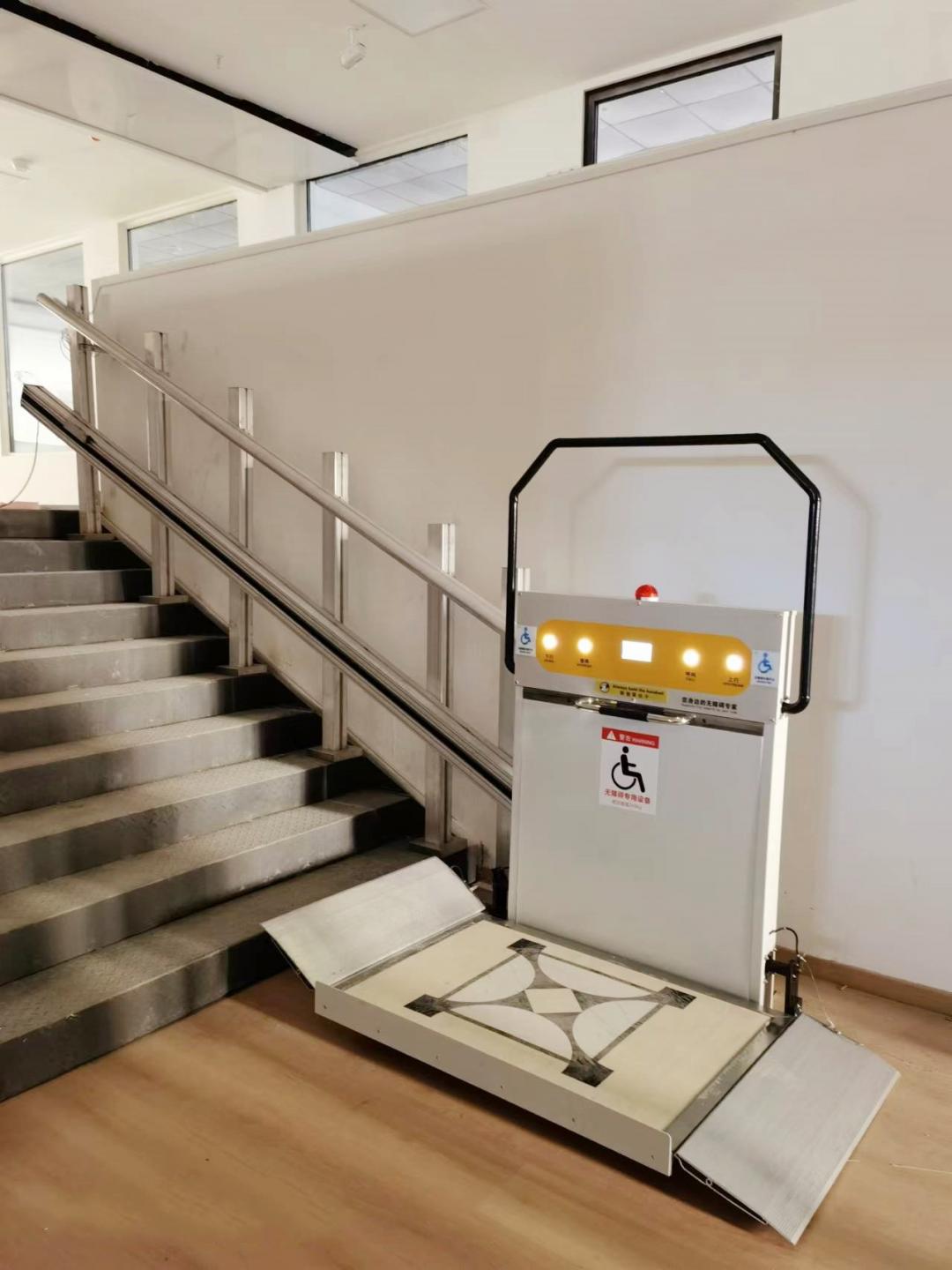
Standard Rail Structure Technical Parameter Reference Table
Professional B2B procurement and project inspection require clear data standards rather than subjective judgment. The following industry-standard parameters cover material thickness, structural tolerance and anti-corrosion indicators, providing reliable evaluation basis for equipment selection and acceptance.
|
Structural Inspection Item
|
Industry Standard Value
|
Impact of Substandard Structure
|
|---|---|---|
|
Main Rail Steel Thickness
|
≥3.5mm galvanized steel
|
Thin rails cause bending deformation and running jitter under load
|
|
Linear Straightness Tolerance
|
≤0.8mm per meter
|
Excessive deviation leads to uneven friction and roller wear
|
|
Hot-Dip Galvanized Coating Thickness
|
85–120μm
|
Insufficient coating causes rust and corrosion in outdoor environments
|
|
Reinforcement Spacing
|
≤600mm interval support
|
Sparse reinforcement reduces overall structural stability
|
|
Dynamic Load Bearing Capacity
|
1.5 times rated load
|
Insufficient load margin accelerates structural fatigue damage
|
All qualified formal project equipment strictly follows the above structural standards. Any parameter reduction will not affect the initial use, but will continuously accumulate structural fatigue, greatly shortening the overall service life of the equipment.
How Poor Rail Structure Destroys Long-Term Equipment Stability
Structural Deformation Causes Running Vibration
Low-rigidity rails are prone to micro-deformation under long-term dynamic load. Tiny straightness deviations will cause the running roller to rub unevenly, resulting in jitter and noise during lifting. Long-term unbalanced operation will further expand structural deformation and form a vicious cycle.
Inferior Anti-Corrosion Process Accelerates Aging
Most inclined lifting equipment is installed in outdoor corridors and outdoor slope passages. Inferior spray painting and thin galvanized layers cannot resist rainwater oxidation and temperature erosion. Once rust appears on the rail surface, friction resistance increases, and local stress concentration will cause irreversible structural damage.
Unreasonable Reinforcement Design Reduces Fatigue Resistance
Some manufacturers cut costs by reducing reinforcement points and using thin-walled profiles. Although the static load test can pass, the structural fatigue resistance is extremely poor. After thousands of lifting operations, the rail will sink and deform, leading to equipment failure and shutdown maintenance.
Frequently Asked Questions About Rail Structure and Service Life
Q1: Can rail structural problems be solved by later maintenance?
Most structural defects are inherent manufacturing problems. Daily maintenance can only lubricate rollers and clean dust, but cannot repair deformed rails and insufficient rigidity. Once the structure is unqualified, long-term service life cannot be guaranteed.
Q2: What is the biggest difference between high-quality and ordinary rails?
The core difference lies in structural rigidity and anti-fatigue performance. Standard rails maintain stable straightness and load capacity after years of operation, while low-quality rails gradually age and deform, leading to continuous failure problems.
Q3: Does outdoor installation require customized rail structure?
Yes. Outdoor units need thicker galvanized coatings and densified reinforcement structures to adapt to wind, rain and temperature changes. Customized structural upgrades effectively extend the service cycle of the inclined wheelchair elevator in harsh environments.
Q4: How to quickly judge rail quality during project acceptance?
Buyers can check steel thickness parameters, coating test reports and straightness detection data. On-site running jitter, abnormal noise and unstable leveling are intuitive signs of unqualified rail structures.
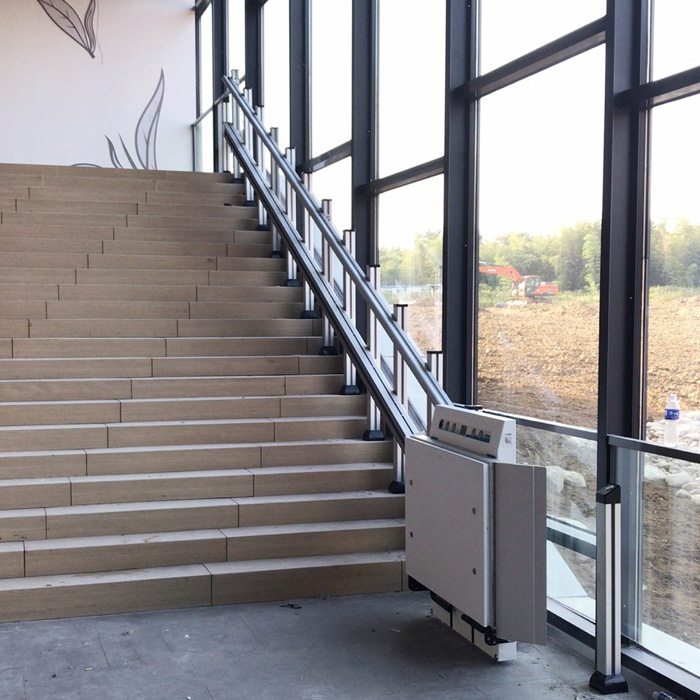
B2B Procurement and Project Acceptance Suggestions
For engineering procurement and facility renovation projects, rail structure inspection must be listed as a core acceptance item. Avoid only focusing on appearance and electrical functions, and ignore hidden structural parameters.
It is recommended to require suppliers to provide complete structural test reports, material certificates and anti-corrosion process documents. For long-term operation projects, prioritize products with standardized rail structure to reduce later maintenance and replacement costs.