
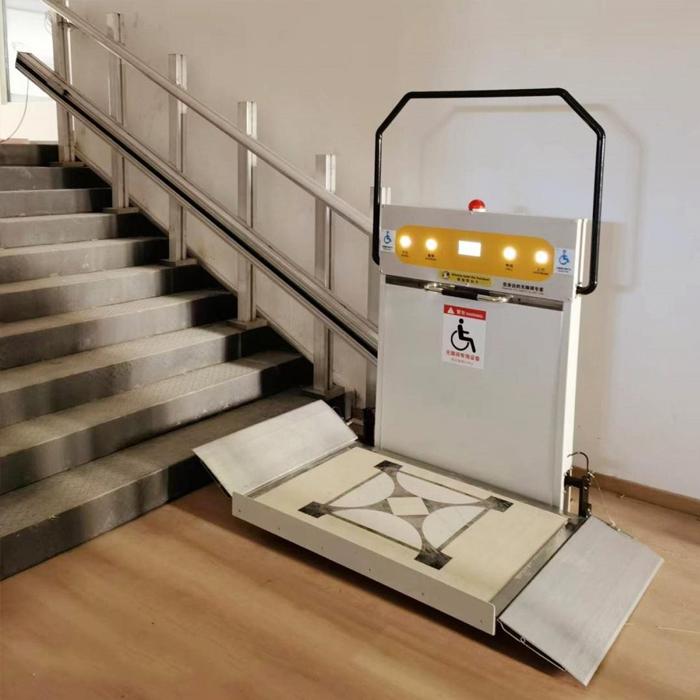
Standard stair chair lifts work great for manual wheelchairs and seated riders, but power chairs are heavier, wider and less forgiving if the platform does not fit properly. It is normal to feel unsure before investing in a permanent accessibility solution for your stairs. The short answer is yes, but safety depends heavily on matching the lift’s rated limits, platform size and built-in safety systems to your exact wheelchair model. An inclined wheelchair lift is engineered for stair travel, yet not every unit on the market is built for larger power mobility devices.
What Makes A Lift Safe For Power Wheelchairs
Safety starts with published load ratings and physical platform dimensions. Power wheelchairs often weigh between 250 lb and 400 lb once batteries, frames and seating are included. Add the user’s weight, and the total load can quickly reach 500 lb or more. Choosing a lift with a margin above your total weight is critical. You should never load a lift right up to its maximum marked capacity, as uneven weight distribution can create extra stress on rails, drive gears and safety locks.
Beyond load capacity, the platform must offer enough clear length and width. Power chairs have longer wheelbases than manual wheelchairs. If the platform is too short, the rear casters can hang over the edge, creating a tipping risk. Non-slip surface treatment helps prevent the chair from sliding during movement, while automatic safety barriers stop wheels from rolling off when the platform leaves the landing. Emergency stop buttons, under-platform safety edges and battery backup power are standard safety features for most modern models. These features stop travel immediately if an obstacle is detected, and they let users finish a trip or return to a landing during a mains power outage.
All equipment intended for permanent installation should follow recognised safety codes. In the United States, ASME A18.1 sets requirements for platform lifts and stairway chairlifts, covering design, testing, operation and routine inspection. Many projects also follow ADA guidance for clear floor space and easy, one-handed controls. European installations typically follow EN 81-40 standards for inclined platform lifts. Compliance does not automatically mean every lift fits every power wheelchair, but it establishes a baseline of tested safety performance.
Typical Reference Specifications For Inclined Wheelchair Lifts
This table lists common working parameters for models suitable for power wheelchairs. Always confirm the official datasheet of your selected unit before purchase, as custom builds and regional versions vary.
| Parameter | Typical Standard Value | Notes |
|---|---|---|
| Rated Load Capacity | 550 lb (250 kg) / 660 lb (300 kg) | 660 lb rating recommended for most power wheelchair users |
| Standard Platform Size | 31.5 in × 49.2 in (800 mm × 1250 mm) | Matches ADA clear floor recommendations for wheelchairs |
| Operating Speed | 12–18 ft per minute (0.06–0.09 m/s) | Slow travel reduces shifting risk for powered mobility devices |
| Usable Stair Incline | 20° to 45° | Some residential units support up to 55° |
| Max Straight Travel | 40 ft residential / 80 ft commercial | Curved track setups have separate limits |
| Drive System | Rack and pinion | Smooth traction, good for heavier loads |
| Power Backup | Rechargeable battery pack | Operates several full cycles without grid power |
Common Questions About Power Wheelchairs And Inclined Wheelchair Lifts
Can Every Inclined Wheelchair Lift Carry A Power Wheelchair?
No. Compact, low-capacity models are designed mainly for manual wheelchairs. If the rated load is under 550 lb, it is usually not a good match for most power chairs. Platform size is just as important. Even a strong lift becomes unsafe if the wheelchair cannot sit fully on the platform with all wheels supported. Before finalising plans, measure your wheelchair’s overall length, width and total loaded weight, then compare those numbers to the lift’s usable area and rating.
What Safety Checks Should Happen Before Each Use?
Spend a few seconds checking barriers and platform surface every time you board. Confirm safety arms lock into place once the wheelchair is positioned. Check that the emergency stop button is unobstructed. Avoid placing bags, oxygen tanks or loose items on the platform that could shift and push the wheelchair out of position. Over time, regular maintenance keeps sensors, brakes and track components working correctly. Worn guide rollers or dirty safety edges can reduce protection even if the lift still runs.
Is There A Difference Between Indoor And Outdoor Safety For Power Wheelchair Loads?
The load rating itself stays the same, but outdoor units need extra weather protection. Rain, frost and dust can affect safety sensors and non-slip flooring. Outdoor inclined wheelchair lifts use sealed electronics and corrosion-resistant coatings. When you run a power chair onto an outdoor platform, wet tires reduce friction, so slower travel speeds and well-maintained non-slip surfacing become more important. Local codes may also require extra inspections for outdoor permanent installations.
Practical Advice Before You Order
Many people focus only on price or appearance and overlook fit. The best approach is to measure your wheelchair fully, including any added accessories like headrests, footrest extensions or heavy-duty batteries. Share those measurements early so the platform layout can be adjusted. Some projects need custom platform extensions or modified entry barriers to fit wider power chairs.
Professional site assessment matters too. The stair structure must support the lift’s track anchoring forces, especially when carrying heavy dynamic loads. A weak wall or poorly fixed track can create hazards even if the lift mechanism itself meets all standards. Certified installation and an initial test run with your actual wheelchair are strongly recommended. The test should include starting, stopping, emergency trigger activation and travel at the full incline of your stairs.