
If you own or maintain residential accessibility lifting equipment, you probably know how frustrating sudden breakdowns can be. A faulty chair elevator can stop working mid-use, block stair access, and leave elderly or disabled users without safe vertical mobility. Most unexpected failures are not sudden accidents; they are caused by months of tiny, unchecked wear and tear. Annual professional inspections catch these hidden issues early and drastically cut breakdown risks throughout the whole service cycle.
The Hidden Causes of Unexpected Chair Elevator Breakdowns
Most chair elevator users only notice obvious faults like loud noise or complete shutdown. In reality, mechanical aging and electrical degradation happen gradually during daily operation. Frequent start-stop movements, long-term load bearing, and dust accumulation slowly wear down core components. Without regular systematic checks, minor abrasion, loose wiring or reduced lubrication will eventually evolve into severe functional failures.
For public and residential barrier-free facilities, stable operation is essential. Similar accessibility equipment including the inclined wheelchair elevator shares the same maintenance logic: periodic professional inspection is far more effective than passive after-fault repair. Many overlooked hidden dangers are the main cause of sudden shutdowns and even safety accidents.
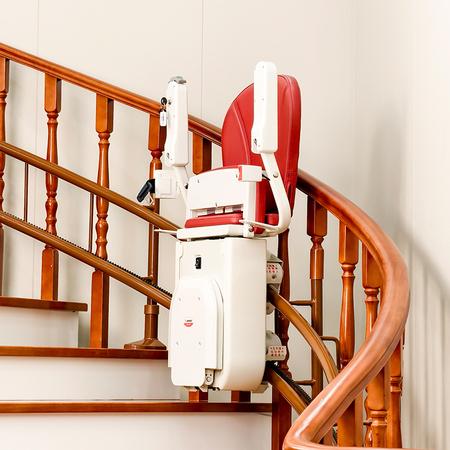
Standard Annual Inspection Benchmarks and Fault Thresholds
Professional maintenance institutions follow unified industry inspection standards to judge equipment health status. Quantitative parameter testing ensures no hidden danger is missed, making maintenance work more targeted and scientific. The following table lists key annual inspection items, qualified benchmarks and risk thresholds for reference:
|
Inspection Item
|
Qualified Standard
|
Danger Threshold
|
Failure Risk
|
|---|---|---|---|
|
Rail Running Smoothness
|
No jitter, uniform operating speed
|
Visible jitter or speed deviation >10%
|
Stuck operation, sudden stop failure
|
|
Safety Sensor Sensitivity
|
Instant response to obstacle contact
|
Response delay >0.5s or insensitive trigger
|
Collision risk, failed safety protection
|
|
Screw and Fastener Tightness
|
No looseness, fixed torque standard
|
Partial screw looseness or missing fasteners
|
Equipment shaking, structural instability
|
|
Lubrication and Wear Degree
|
Full lubrication, wear loss <5%
|
Dry friction or wear loss >15%
|
Increased noise, component aging failure
|
|
Emergency Power and Stop Function
|
100% successful startup and shutdown
|
Emergency response failure or delay
|
Emergency rescue failure, safety hazard
|
How Annual Inspections Eliminate Breakdown Risks
1. Early Intervention on Gradual Component Wear
Chair elevator drive gears, sliding rails and rolling bearings are prone to gradual wear after long-term operation. Daily use cannot identify subtle wear changes, but annual comprehensive inspections can detect slight abrasion and aging signs in advance. Timely replacement of aging parts avoids sudden component fracture or stalling faults during peak use periods.
2. Calibrate Deviated Operating Parameters
Long-term vibration and load pressure will cause slow deviation of operating parameters such as running speed and horizontal balance. Uncalibrated parameters will increase equipment operating load and accelerate aging. Professional annual inspection includes parameter calibration to restore the equipment to factory standard operating status, reducing abnormal loss and hidden faults.
3. Eliminate Electrical System Hidden Dangers
Electrical faults are one of the main causes of sudden equipment shutdown. Wire aging, poor contact and dust accumulation in control boxes will lead to circuit instability. Annual electrical inspection and cleaning can eliminate potential circuit failures, ensuring stable power supply and sensitive signal response during long-term operation.
4. Verify Full Safety Protection Functions
Obstacle sensing, anti-fall protection and emergency stop functions are core safety guarantees. These devices may fail silently without daily perception. Annual professional testing can verify the effectiveness of all safety mechanisms, ensuring the chair elevator can trigger protection responses in real time once encountering abnormal conditions, avoiding safety accidents.
Long-Term Benefits of Adhering to Annual Inspections
Many users skip annual inspections to save short-term costs, which actually leads to higher long-term expenses. Uninspected equipment is prone to sudden faults, requiring expensive emergency repairs and part replacements. Regular annual inspections can reduce the overall failure rate by more than 60%, greatly extending the equipment service life.
Meanwhile, standardized annual inspection records meet the safety management requirements of residential communities and public facilities, ensuring compliant and safe operation of barrier-free lifting equipment. Similar standardized maintenance modes also apply to the inclined wheelchair elevator, forming a complete set of barrier-free equipment safety management systems.
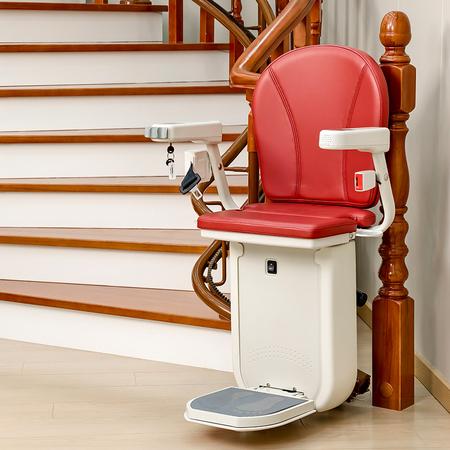
FAQs About Chair Elevator Annual Inspection and Fault Prevention
1. Is annual inspection necessary for low-frequency used chair elevators?
Yes. Even with low usage, static placement will cause lubricant drying, wire aging and dust accumulation. Annual inspection can eliminate static aging hidden dangers and ensure normal startup when needed.
2. What problems will happen if inspection is skipped for multiple years?
Long-term missing inspection will lead to accumulated component wear, failure of safety sensors, loose structural parts and unstable circuits, which may cause sudden stalling, shaking or even safety accidents during use.
3. Can daily visual checks replace professional annual inspections?
No. Daily checks can only find surface faults, while professional annual inspections include internal parameter testing, electrical detection and wear assessment, which cannot be completed by manual visual observation.
4. How much can annual inspections reduce equipment failure rates?
According to industry maintenance data, standardized annual inspections and maintenance can reduce sudden breakdown risks by 60% to 75%, effectively avoiding costly emergency repairs.
All in all, annual inspection is the most cost-effective way to maintain a chair elevator. It turns passive fault repair into active hidden danger elimination, ensures long-term stable and safe operation of accessibility equipment, and provides reliable vertical travel guarantee for elderly and disabled users in families and public places.