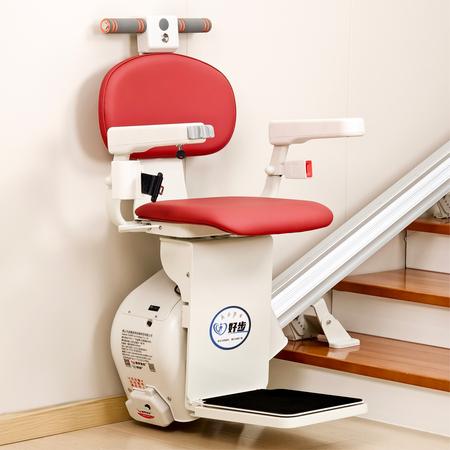
To conduct targeted maintenance, users need to understand the core working parameters of a regular seat lift. These standard data can help you judge whether the device is operating normally and avoid overload or improper use damage. Below are the universal industry standard parameters for civilian household seat lift equipment.
|
Parameter Item
|
Standard Value
|
Maintenance Reminder
|
|---|---|---|
|
Rated Load Capacity
|
120kg – 150kg
|
Do not exceed the maximum load to avoid motor burnout
|
|
Working Voltage
|
24V DC
|
Check voltage stability regularly to prevent circuit failure
|
|
Lifting Stroke Range
|
300mm – 450mm
|
Keep the lifting track clean to ensure smooth stroke
|
|
Average Service Life
|
5-8 years (normal use)
|
Regular maintenance can extend life to 8-10 years
|
|
Continuous Working Time
|
≤5 minutes per cycle
|
Avoid long-time continuous operation to prevent overheating
|
Daily Maintenance Routines for Stable Seat Lift Operation
Most seat lift failures are caused by accumulated minor issues rather than sudden damage. Daily simple inspection and care can effectively keep the device in optimal condition. The maintenance work is simple and time-saving, suitable for all ordinary users to operate independently.
Regular Cleaning and Dust Removal
The seat lift’s lifting track, motor shell and button panel are easy to accumulate dust, hair and debris. Long-term dirt accumulation will block the moving parts, increase operating resistance, and lead to slow lifting speed or jitter. Users can wipe the surface with a dry soft cloth every week, and use a small brush to clean the gap of the track. Do not use water to flush the equipment directly, so as to avoid water entering the circuit and causing short circuit.
Timely Inspection of Loose Parts
After long-term repeated lifting and lowering operations, the fixing screws and connecting parts of the seat lift may become loose slightly. It is recommended to check all connecting bolts and fixed parts every month. If any looseness is found, tighten them gently with a matching screwdriver. Loose parts will cause abnormal noise during operation and even affect the overall stability of the equipment.
Standardize Daily Use Habits
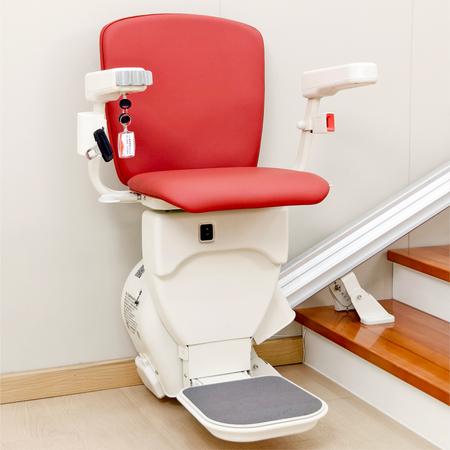
Improper use is one of the main causes of shortened equipment life. When using the seat lift, users should avoid violent shaking, sudden pressure or excessive tilt. Do not place heavy sundries on the lift seat for a long time. Following the standard use method can reduce mechanical wear and ensure long-term stable operation of the equipment.
Seasonal Maintenance Tips to Avoid Common Failures
The operating state of the seat lift will be affected by temperature and humidity changes in different seasons. Targeted seasonal maintenance can effectively avoid seasonal common faults and keep the equipment running smoothly all year round.
In humid rainy seasons, the internal circuit and metal parts of the seat lift are prone to moisture and rust. Users need to place the equipment in a dry and ventilated environment, and regularly check whether the metal track has rust spots. In dry and cold winter, the lubricating oil of mechanical parts is easy to solidify, resulting in unsmooth lifting. It is necessary to appropriately supplement special mechanical lubricating oil to ensure flexible operation of moving parts.
FAQs About Seat Lift Maintenance and Operation
Most ordinary users have many doubts about daily maintenance. Here are the most common and practical questions and professional answers to help users solve daily use problems.
How often should a seat lift be maintained?
For household daily use equipment, simple cleaning and inspection are required every week, a comprehensive parts inspection every month, and a professional overall maintenance and debugging every six months. Regular graded maintenance can completely avoid most minor faults and ensure stable operation.
Why does the seat lift make abnormal noise when lifting?
Abnormal noise is mostly caused by track dirt, lack of lubricating oil or loose connecting screws. Users can first clean the track debris and add a small amount of lubricating oil. If the noise still exists after adjustment, check and tighten the loose bolts. This problem can be basically solved through daily maintenance.
Can the seat lift work continuously for a long time?
No. According to standard parameters, the continuous working time of the seat lift shall not exceed 5 minutes each time. Long-term continuous operation will cause the motor to overheat, accelerate aging, and even cause motor burnout. After each continuous use, the equipment needs a 10-minute rest to dissipate heat.
How to judge whether the seat lift needs professional maintenance?
If the equipment has problems such as slow lifting speed, obvious jitter, unresponsive buttons, persistent abnormal noise or automatic shutdown during operation, it means that simple daily maintenance cannot solve the fault, and professional inspection and maintenance are required in time to avoid fault expansion.