
If you have steps at your porch, patio or garden entrance, you may have asked whether you can fit a lift there. It is a common question, especially for people who want to keep using their outdoor spaces without struggling with stairs. The short answer is yes, but not every unit is built for this. Standard indoor models are not made to handle rain, UV light, frost or humidity, and they will fail quickly if installed outside. Only purpose-built outdoor versions are safe for exterior stairways.
When you start planning, it helps to separate indoor and outdoor requirements. Indoor chair lift designs focus on clean, dry conditions. Outdoor units need sealed electronics, corrosion-resistant rails and UV-stable seating materials. Even small details, like waterproof remote buttons and protective covers, make a big difference to long-term reliability. A chair lift installed outdoors is a long-term mobility investment, so matching the unit to your local climate matters a lot.
Core Design Requirements For Outdoor Use
An outdoor-rated lift is built to resist common weather risks. The main areas engineers focus on are the electrical system, the rail structure, the seat and footrest materials, and the safety sensors. Moisture is the biggest enemy. If water gets into the motor, circuit board or wiring connections, the lift can stop working or create safety hazards. Good outdoor models use fully sealed electrical housings with proper ingress protection ratings.
Temperature range is another key point. Some regions see hot summer sun and freezing winter nights. Materials that work fine indoors can become brittle in cold or fade and soften under strong sunlight. Marine-grade vinyl, powder-coated aluminium and stainless steel fasteners are typical choices for exterior builds. The rail track also needs a finish that stops rust, even in humid or coastal locations where salt may sit on the surface.
The table below lists typical working parameters for outdoor stair lift systems for reference:
| Parameter | Typical Specification |
|---|---|
| Operating Temperature | -15°C to 50°C |
| Standard Weight Capacity | 136 kg (300 lbs) |
| Travel Speed | 7.2 m per minute |
| IP Rating for Main Electronics | IP54 |
| Rail Material | Powder-coated aluminium |
| Seat Surface | UV-resistant marine vinyl |
| Backup Power | Battery pack for limited trips |
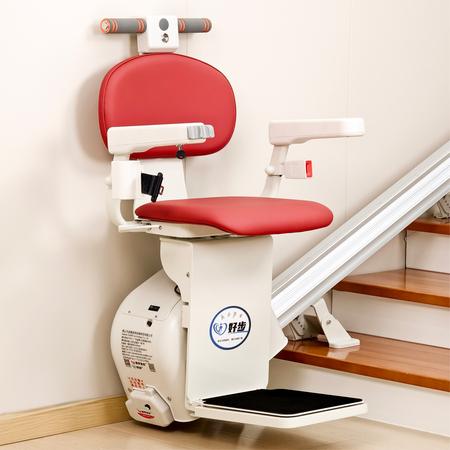
| Folding Parts | Foldable seat, armrest and footplate |
This set of specifications gives you a practical benchmark. Any model you consider should be clearly marked as outdoor-rated, with documentation confirming these weather protections. Do not rely on a sales statement that an indoor unit “can handle occasional rain”. That is not the same as certified outdoor suitability.
Practical Considerations Before Installation
Electrical Setup And Site Preparation
Outdoor installation needs a protected power supply. The outlet should be weatherproof and placed away from direct rain and splash zones. Wiring must follow local electrical codes for exterior circuits. Many installers will also add a dedicated circuit to avoid overloads. While battery backup helps during power cuts, the main supply still needs to be reliable for daily charging.
Space And Stair Conditions
Porch stairs are often narrower or shorter than indoor staircases. The track mounts to the treads, not the wall in many outdoor layouts. You need enough clearance at the top and bottom landing for safe entry and exit. If the stairs curve, the rail must be custom fabricated. Debris like fallen leaves, dirt and snow can collect on the track, so you will need easy access to clear the path regularly.
Ongoing Maintenance
Outdoor units need more regular checks than indoor ones. Moisture, dust and plant debris build up faster. A yearly professional inspection is recommended. During the inspection, technicians check seals, battery health, sensor function and bolt tightness. Between service visits, you can wipe the rail and seat, remove leaves, and keep the protective cover on when the lift is not in use. In coastal areas with salt air, more frequent cleaning reduces corrosion risk.
Frequently Asked Questions
Can I install an indoor chair lift outside?
No. Indoor models lack sealed electronics, corrosion protection and UV-resistant materials. Even a single heavy rain or frost can damage the controls and motor. Using an indoor unit outdoors also voids the manufacturer’s warranty and creates safety risks.
Does an outdoor lift work in heavy rain or snow?
Outdoor-rated units are designed for rain and light snow, but heavy snow and ice on the stair track can block the safety sensors. The protective cover should be used when the lift is not needed. If ice forms on the rail, clear it carefully before operation.
Will the seat fade under direct sunlight?
Seats made from marine-grade UV-resistant vinyl are built to slow fading. Still, long hours of direct sun will gradually change appearance. Using the fitted cover when idle helps slow this wear and keeps the seating surface cleaner.
Are safety sensors reliable outdoors?
Quality outdoor lifts use obstruction sensors sealed against moisture. They stop movement if something blocks the track. Dirt, leaves and snow can trigger false stops, so keeping the track clear is part of safe daily use.