
If you have stairs at home and need a reliable way to move a wheelchair safely, you’ve probably thought about inclined wheelchair lifts. They make daily life much easier and keep you independent. But with so many options, how do you pick one that’s truly safe and built to last? In this friendly, straightforward guide, we break down everything you need to know without confusing jargon. We focus on real‑world use, trusted safety standards, and long‑term durability so you can choose with confidence.
What Are Inclined Wheelchair Lifts & Why They Work for Homes
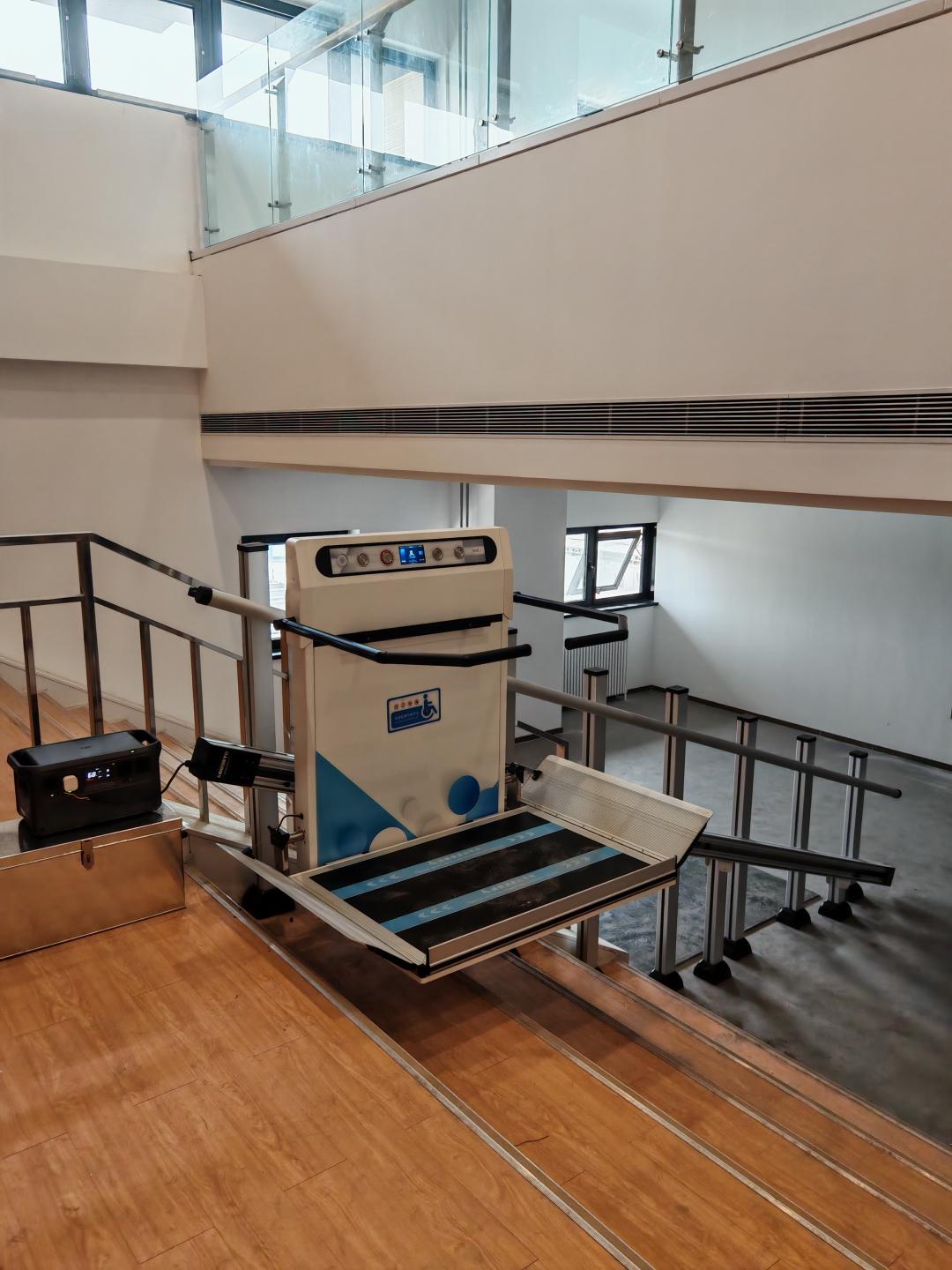
Inclined wheelchair lifts are platform lifts that run along your staircase, letting a wheelchair user travel up and down without transferring to a chair. They fit neatly against the wall or stair rail, fold away when not in use, and work for straight and many curved staircases. For homeowners who want accessibility without full renovations, these lifts are a practical, popular solution.The best inclined wheelchair lifts balance safety, quiet operation, and sturdy build quality. They’re designed for daily home use, so they should feel simple to operate for both the user and family members.

Key Safety Features to Prioritize
Safety comes first for any home accessibility equipment. Below are the non‑negotiable features you should check before buying.
Obstruction Detection & Emergency Stop
Every reliable lift has sensors that stop the platform if it hits an object, a pet, or a person. A clearly marked emergency stop button on the platform and remote control adds an extra layer of protection.
Anti‑Slip Platform & Safety Barriers
The platform surface must be textured and slip‑resistant, even if damp. Automatic safety arms or guardrails should deploy when the lift is in use to prevent the wheelchair from shifting.
Battery Backup & Manual Lowering
Power outages happen. A good battery backup system lets the lift complete at least one full cycle to return the user to the ground floor. A manual lowering device is also essential for emergencies.
Overload Protection
This feature prevents the lift from running if the weight limit is exceeded, protecting the motor and the user.
Durability Factors for Long‑Term Use
Durability means fewer repairs, longer service life, and better value. Here’s what to look for.
Materials & Build Quality
Look for rust‑resistant aluminum, steel components, and powder‑coated finishes. These materials hold up to daily use and humidity.
Motor & Drive System
A quiet, stable gear‑drive or rack‑and‑pinion system offers smoother movement and less wear than cheaper alternatives.
Warranty & Support
A solid warranty (usually 2–3 years for parts) shows the manufacturer stands behind its product. Check that local service is available for maintenance.
Foldable Design
A platform that folds tight against the wall reduces wear and keeps stairs fully usable for others.
Quick Reference Specification Table
| Feature | Standard Residential Spec | Why It Matters |
|---|---|---|
| Weight Capacity | 250–300 kg (550–660 lbs) | Supports most wheelchairs and users safely |
| Stair Width Requirement | Min. 800 mm (32 in) | Ensures safe clearance and operation |
| Platform Size | 675 × 900 mm to 800 × 1250 mm | Fits standard manual and power wheelchairs |
| Speed | 4–5 m/min (13–16 ft/min) | Smooth, controlled, and comfortable |
| Incline Range | 20°–45° | Works with typical home stair angles |
| Safety Certifications | ASME A18.1, EN 81‑41, ADA compliant | Meets global safety and accessibility rules |
How to Match the Lift to Your Home Stairs
Every home is different, so measuring carefully is key.
Measure First
Check stair width, total vertical travel, landing space at top and bottom, and any turns or curves. Most inclined wheelchair lifts work on standard straight stairs; curved models need custom rails.
Indoor vs. Outdoor Use
If you plan to install outside, choose a weatherproof model with stainless steel rails and protected electrical parts.
Space Saving
Foldable platforms are ideal for shared staircases. They take minimal space when not in use.
Frequently Asked Questions
Do I need planning permission to install inclined wheelchair lifts at home?
Rules vary by location. Most areas allow residential installation with a simple inspection, but you should check local building codes before ordering.
How long do durable inclined wheelchair lifts last?
With yearly maintenance, a quality lift typically lasts 15–20 years. Regular service extends its life and preserves the warranty.
Can inclined wheelchair lifts work on curved or landing stairs?
Yes. Many manufacturers offer custom curved rail systems. The installer will measure your stairs and create a tailored rail design.
How much do home inclined wheelchair lifts cost?
Straight models usually start at $12,000. Curved or custom designs cost more due to specialized manufacturing.
Is professional installation required?
Yes. These lifts must be installed by certified technicians to ensure safety, compliance, and proper function. DIY installation risks injury and voids warranties.
Making Your Final Choice
Choosing the right lift doesn’t have to be stressful. Start with accurate measurements, confirm essential safety features, check durability and warranty, and work with a trusted local dealer. The right inclined wheelchair lifts will make your home more accessible, keep you safe, and support your independence for years.