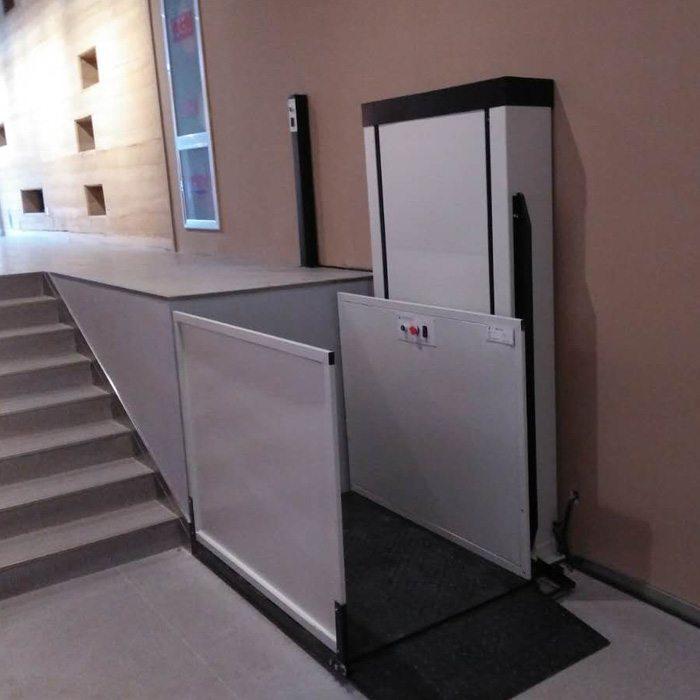
Vertical Platform Lifts (VPLs) are versatile accessibility and material handling solutions designed to transport people, wheelchairs, and light loads vertically between different levels, eliminating barriers and enhancing mobility in both residential and commercial settings. Unlike traditional elevators, these compact lifts require minimal installation space, making them ideal for locations where conventional elevator systems are impractical or cost-prohibitive. Engineered to prioritize safety, ease of use, and durability, vertical platform lifts serve a critical role in promoting inclusivity, ensuring that individuals with mobility challenges can access all areas of a building or outdoor space with dignity and independence. Behind the seamless operation of these essential devices lies a commitment to precision engineering and rigorous quality standards, with dedicated expertise in designing, manufacturing, and supporting vertical platform lifts that meet the diverse needs of users worldwide, from residential homes to public facilities and industrial sites.
The core design of vertical platform lifts is centered around simplicity, safety, and adaptability, with key components that work together to deliver reliable performance. A typical VPL consists of a stable platform, a vertical guide rail system, a drive mechanism, and a comprehensive safety system. The platform, available in various sizes to accommodate wheelchairs, scooters, or light cargo, is supported by sturdy guide rails that ensure smooth, wobble-free movement during ascent and descent. Drive mechanisms vary depending on the application: hydraulic systems are commonly used for heavier loads and outdoor installations, offering quiet operation and consistent performance, while electric screw-driven systems are preferred for indoor use due to their energy efficiency and minimal maintenance requirements. Safety features are non-negotiable, including emergency stop buttons, safety gates or barriers to prevent falls, overload sensors, and backup power systems that ensure operation even during power outages—all designed to protect users and comply with international safety standards.
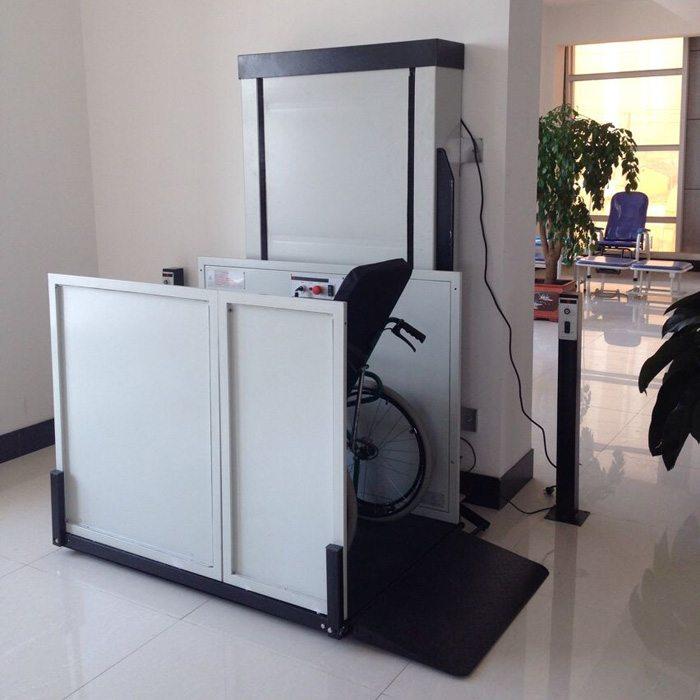
Vertical platform lifts find widespread application across a wide range of environments, each tailored to address specific accessibility or material handling needs. In residential settings, they are often installed in homes to provide mobility for elderly individuals or those with disabilities, allowing access to basements, upper floors, or outdoor patios without the need for extensive structural modifications. Commercial and public buildings, including offices, schools, hospitals, shopping centers, and government facilities, rely on VPLs to comply with accessibility regulations, ensuring that all visitors and employees can navigate the space freely. Outdoor applications are equally common, with weather-resistant VPLs used in parks, stadiums, sidewalks, and public transit stations to bridge elevation differences and create barrier-free pathways. Additionally, industrial settings utilize vertical platform lifts to transport light materials, tools, or personnel between mezzanines, warehouses, or production floors, improving operational efficiency while maintaining a safe working environment.
One of the key advantages of vertical platform lifts is their flexibility and ease of installation compared to traditional elevators. Unlike elevators, which require a dedicated shaft, machine room, and extensive structural changes, VPLs can be installed in existing spaces with minimal disruption. Many models are freestanding, requiring only a solid foundation and access to power, while others can be mounted to walls or existing structures to save space. This flexibility makes them a cost-effective solution for retrofitting older buildings that lack adequate accessibility features, as well as for new construction projects where budget or space constraints limit the installation of elevators. Furthermore, VPLs are customizable, with options for platform size, lift height, drive type, and aesthetic finishes that blend seamlessly with the surrounding environment, ensuring they complement the design of the space without compromising functionality.
As awareness of accessibility rights grows and industries continue to prioritize inclusivity and safety, the demand for high-quality vertical platform lifts continues to rise. Advances in technology have led to improvements in energy efficiency, with modern VPLs consuming less power than ever before, as well as enhanced user experience features such as touchscreen controls, remote operation, and integration with smart home systems. The focus on sustainability has also driven innovation in materials and manufacturing processes, with many VPLs constructed from durable, recyclable materials that reduce environmental impact. Behind these advancements is a dedication to understanding the unique needs of users and clients, with teams working closely to develop customized solutions that address specific challenges—from residential mobility to commercial compliance and industrial efficiency. With a commitment to quality, safety, and innovation, the expertise behind vertical platform lifts ensures that these essential devices continue to enhance accessibility and functionality across all environments, empowering individuals and improving operations worldwide for years to come.