
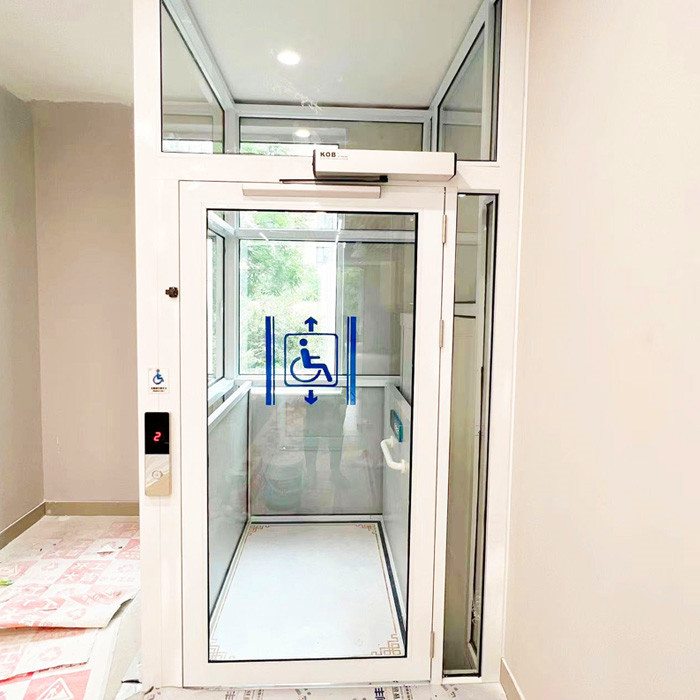
Wheelchair Lifts
Wheelchair lifts serve as a vital accessibility solution, bridging gaps between different levels for individuals with reduced mobility across residential, commercial, and public spaces. Unlike ramps that require significant space, these lifts offer a compact and efficient way to enhance mobility, enabling users to navigate staircases, vehicles, and buildings with greater independence. Their design versatility ensures they can be tailored to diverse environments, making them a cornerstone of inclusive infrastructure.
One of the key benefits of wheelchair lifts is their space efficiency. Ideal for areas where ramps are impractical due to limited square footage—such as narrow hallways, small businesses, or multi-level homes—they occupy minimal floor space. Many models feature foldable platforms or vertical lifting mechanisms that tuck away when not in use, avoiding obstruction to regular foot traffic. This makes them suitable for both indoor settings, like apartments and offices, and outdoor spaces, such as parking garages and public parks.
Safety is a paramount design focus for wheelchair lifts. Equipped with multiple protective features, they ensure secure operation for users. Common safety elements include non-slip platforms, emergency stop buttons, overload sensors, and backup power systems that activate during power outages. Additionally, most lifts come with safety gates or barriers that prevent access to the lifting area during operation, reducing the risk of accidents. These features adhere to strict accessibility standards, ensuring reliability for daily use.
Versatility in application is another standout trait of wheelchair lifts. They cater to various use cases, from residential lifts that connect floors in homes to commercial models installed in shopping malls, hospitals, and educational institutions. Vehicle-mounted wheelchair lifts are also widely used, enabling individuals to access cars, vans, and buses without assistance. Some specialized lifts are designed for outdoor use, built with weather-resistant materials to withstand rain, snow, and extreme temperatures.
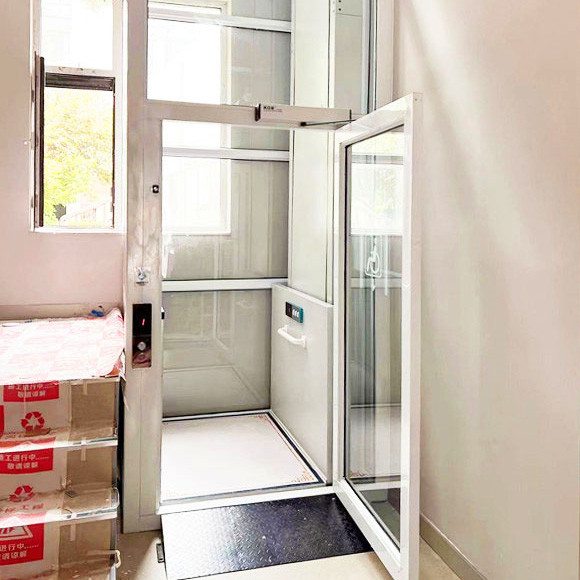
Wheelchair Lifts
Installation and maintenance considerations play a role in the usability of wheelchair lifts. Most models require professional installation to ensure compliance with safety standards and proper functionality. Maintenance needs are generally minimal, involving regular inspections of mechanical components, lubrication of moving parts, and testing of safety features. Many lifts are designed with durability in mind, using high-quality materials that withstand frequent use, reducing the need for frequent repairs.
When selecting a wheelchair lift, several factors should be considered. The intended use—whether residential, commercial, or vehicle-mounted—dictates the size, weight capacity, and design. Space availability and environmental conditions (indoor vs. outdoor) also influence the choice, as do user-specific needs, such as the size of the wheelchair and the user’s mobility level. Compliance with local accessibility regulations is essential to ensure the lift meets legal requirements and safety standards.