
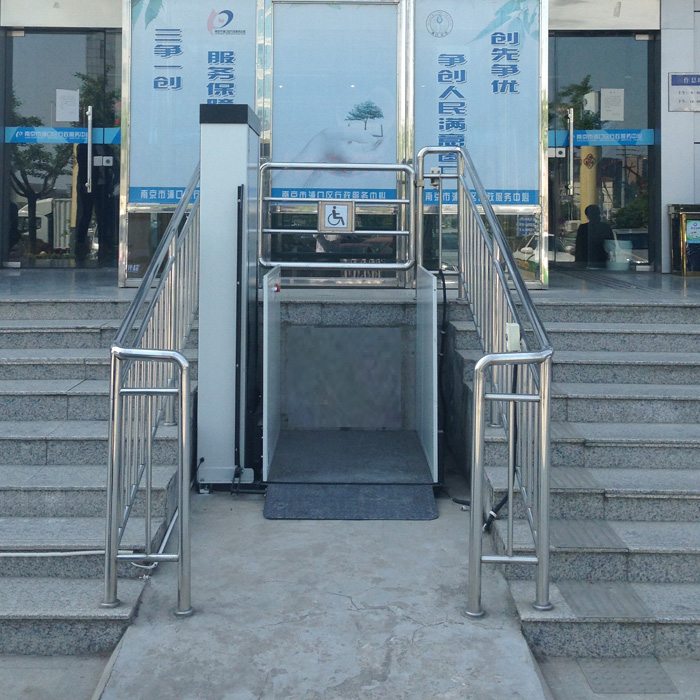
Vertical platform lifts (VPLs) have emerged as essential mobility tools, designed to provide safe, reliable access between different elevations for individuals with mobility challenges, as well as for transporting goods in various settings. Unlike traditional elevators, these compact, versatile systems are tailored to spaces where full elevator installations are impractical or cost-prohibitive, offering a balance of functionality, accessibility, and space efficiency. This guide explores the key design features, safety standards, application scenarios, and selection considerations of vertical platform lifts, providing valuable insights for homeowners, business operators, and facility managers.
At their core, vertical platform lifts are engineered to facilitate vertical movement for people using wheelchairs, scooters, or walkers, as well as for heavy or bulky items. They consist of a stable platform (typically with a non-slip surface) that travels along a fixed track, powered by an electric motor. The platform’s size varies to accommodate different needs—from compact models designed for individual use in homes to larger, heavy-duty systems capable of supporting multiple users or commercial loads. Unlike elevators, VPLs do not require a shaft, making them suitable for both indoor and outdoor installations, including stairwells, porches, entryways, and commercial spaces.
Safety is a paramount consideration in vertical platform lift design, with multiple features integrated to protect users. Most models include non-slip platform surfaces to prevent falls, as well as sturdy handrails for stability during transit. Emergency stop buttons, battery backup systems (to ensure operation during power outages), and obstruction sensors (which halt the lift if an object blocks its path) are standard safety components. Many VPLs also feature automatic doors or gates that lock when the lift is in motion, preventing accidental access to the track or platform edges. These safety measures adhere to international accessibility standards, ensuring compliance with regulations such as the Americans with Disabilities Act (ADA) and similar guidelines worldwide.
The versatility of vertical platform lifts is reflected in their wide range of applications. In residential settings, they are often installed to provide access between floors, porches, or garages, enabling individuals with mobility impairments to move freely within their homes without relying on stairs. Outdoor VPLs are commonly used in public spaces—such as parks, libraries, schools, and commercial buildings—to make entryways, patios, or raised walkways accessible. In commercial environments like warehouses, retail stores, or offices, heavy-duty vertical platform lifts serve as efficient tools for transporting goods, equipment, or inventory between levels, reducing the need for manual lifting and improving operational efficiency.
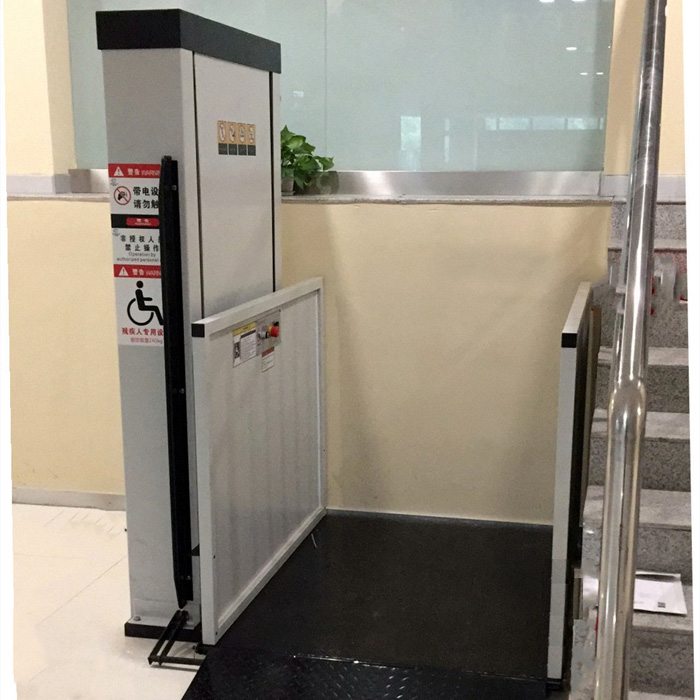
Material and design choices for vertical platform lifts are tailored to their intended use. Indoor models often feature sleek, compact designs that blend with interior decor, using materials like aluminum or steel for durability and minimal visual impact. Outdoor VPLs are constructed with weather-resistant materials—such as corrosion-resistant steel or powder-coated aluminum—to withstand exposure to rain, snow, and extreme temperatures. The track system can be mounted to walls, floors, or existing structures, depending on space constraints and installation requirements. Some models offer customization options, such as adjustable platform sizes or folding designs for easy storage when not in use.
When selecting a vertical platform lift, several factors require careful consideration. Weight capacity is critical—home-use models typically support 300 to 500 pounds, while commercial systems can handle 1,000 pounds or more. The travel height (the vertical distance the lift needs to cover) and available space will determine the appropriate track length and platform size. For outdoor installations, weather resistance and durability are key, while indoor users may prioritize noise levels and aesthetic integration. It’s also important to ensure the lift complies with local accessibility regulations and safety standards, as non-compliant systems may pose risks or fail to meet legal requirements.
Installation and maintenance are essential to ensure the longevity and safety of vertical platform lifts. Professional installation is recommended, as it involves securing the track, wiring the motor, and testing safety features to ensure proper operation. Regular maintenance—including inspecting the motor, track, and safety sensors, lubricating moving parts, and testing battery backups—helps prevent breakdowns and ensures the lift remains safe for use. Many manufacturers provide maintenance guidelines, and routine servicing by qualified technicians can extend the lift’s lifespan.